SHANZHONG IRON AND STEEL (SHANDONG) CO..LTD.

The Marvel of Carbon Steel Plates: Understanding Their Workings
Release time:
2025-01-25
Dive into the fascinating world of carbon steel plates, exploring their principles, applications, and why they are a staple in industries worldwide.
The Marvel of Carbon Steel Plates: Understanding Their Workings
When it comes to construction and manufacturing, carbon steel plate is a name that pops up quite often, and for good reason! These plates are not just your average steel; they hold a treasure trove of properties and potential that make them indispensable in various industries. Let’s dig into the nitty-gritty of how these plates work, their unique characteristics, and why they’ve earned their place in the spotlight.
What Exactly is a Carbon Steel Plate?
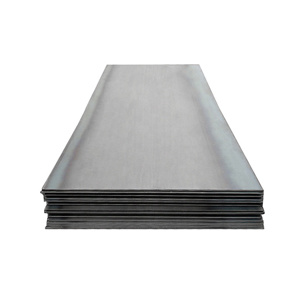
So, what’s the deal with carbon steel plates? Simply put, they’re flat pieces of carbon steel, which is an alloy made primarily of iron and a measured amount of carbon. The carbon content can vary significantly—ranging from low to high—affecting the plate’s strength, ductility, and hardness. You see, the magic lies in the balance of carbon and iron, leading to a plethora of properties that cater to diverse applications.
How Does Carbon Steel Plate Work?
Now, onto the fun part: how these plates operate in the real world! The functionality of a carbon steel plate can be largely attributed to its mechanical properties. For instance, low-carbon steel plates (with about 0.05% to 0.25% carbon) are incredibly malleable and ductile, making them perfect for welding and forming. On the flip side, high-carbon steel plates (containing 0.60% to 1.5% carbon) are tough and strong, ideal for applications that demand resilience.
But wait, there’s more! The heat treatment process can further enhance the properties of carbon steel plates. Techniques like quenching and tempering can boost hardness while maintaining toughness. It’s like giving these plates a superhero upgrade—ready to take on any challenge!
Applications Galore!
Let’s not beat around the bush; the applications of carbon steel plates are vast and varied. From construction beams and bridges to automotive parts and machinery, these plates are the unsung heroes behind many structures and devices. They’re also commonly used in shipbuilding and the manufacturing of pipelines due to their excellent strength-to-weight ratio.
Moreover, carbon steel plates are often employed in the fabrication of tools and dies, as their hardness and durability allow for precision work. Talk about versatility! The ability to cater to different sectors is what makes them a staple in the industry.
Why Choose Carbon Steel Plates?
Alright, let’s get down to brass tacks. Why should you opt for carbon steel plates over other materials? One word: Value! Carbon steel plates are generally more cost-effective than stainless steel or aluminum, yet they offer impressive strength and durability. It’s a win-win situation!
Furthermore, their ease of fabrication—thanks to their weldability—allows for quick production times. If you’re working on a project that requires both speed and reliability, carbon steel plates are your go-to choice.
Challenges and Considerations
Of course, no material is without its quirks. While carbon steel plates are robust, they can be prone to corrosion if not properly treated or coated. It’s crucial to consider environmental factors when selecting materials for your project. Luckily, a good paint job or protective coating can extend the lifespan of these plates significantly!
The Future of Carbon Steel Plates
Looking ahead, the future of carbon steel plates is bright! With advancements in technology and manufacturing processes, we can expect even more innovative applications. Researchers are continuously exploring ways to enhance the properties of carbon steel, making it even more suitable for modern needs—sustainability, efficiency, and performance.
In Conclusion
To wrap it all up, carbon steel plates are nothing short of a marvel in the industrial world. Their versatility, strength, and cost-effectiveness make them a favorite among engineers and manufacturers alike. So, the next time you see a sturdy bridge, a sleek car, or even a robust tool, take a moment to appreciate the humble yet mighty carbon steel plate that made it all possible!
Latest News
The correct way to install steel coils
The correct way to load steel coils depends on their size, weight and how they are transported or stored.
2024-05-13
Stainless Steel Plate: The Unsung Hero of Modern Industries
Explore the role of stainless steel plates in various industries, their benefits, and future trends.
2025-03-01
The production of steel bars is a complex process that requires the cooperation of a series of equipment. The accuracy and stability of these equipment directly affect the quality of the bars.
2024-06-18
The difference between steel coil and steel strip
Although both steel coils and steel strips are steel products, they have different forms and applications. Steel coils are mostly in the form of rolls, which are more suitable for industrial applications that require large amounts of continuous materials; while steel strips are narrow and long, which are more suitable for specific applications that require precise dimensions and high surface quality.
2024-06-18
Unveiling the Magic of Stainless Steel Plates: How They Work
Discover the fascinating principles behind stainless steel plates and their myriad applications in everyday life.
2025-02-22
The Versatility of Stainless Steel Plates: An Introduction
Discover the myriad applications and benefits of stainless steel plates in various industries.
2025-02-15
SHANZHONG IRON AND STEEL (SHANDONG) CO..LTD.
One-stop supply of steel products
Company Strength
Adequate Inventory
Fast Shipping
Our Products
CONTACT US
Address: Jinan, Shandong

©COPYRIGHT 2025 SHANZHONG IRON AND STEEL (SHANDONG) CO..LTD. | SEO Tags | Privacy Policy